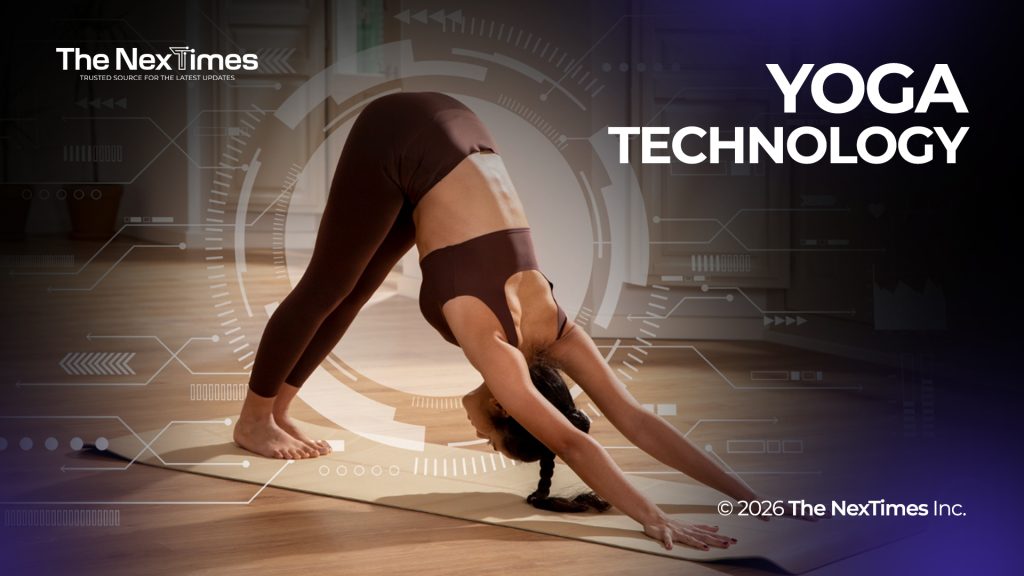
Yoga has been practiced for thousands of years, but in today’s fast-paced digital world, it has evolved with innovation. Yoga technology combines traditional yoga practices with modern tools like apps, wearable devices, and virtual platforms to enhance flexibility, mindfulness, and overall well-being. This fusion allows people to access guided sessions, track progress, and personalize their yoga journey like never before.
What is Yoga Technology?
Yoga technology refers to the integration of digital tools and innovations into yoga practice. It includes mobile apps, AI-based coaching, virtual classes, and smart wearables that monitor body movements and health metrics.
This modern approach makes yoga more accessible, data-driven, and adaptable to individual needs.
Evolution of Yoga in the Digital Era
The transition from traditional yoga studios to digital platforms has been rapid. Online classes, recorded sessions, and live-stream yoga have made it easier for people to practice anytime, anywhere.
The rise of smartphones and internet connectivity has played a crucial role in this transformation, making yoga a global and connected experience.
Benefits of Yoga Technology
Yoga technology offers several advantages that enhance both beginners’ and experts’ experiences:
- Personalized yoga routines based on fitness levels
- Real-time posture correction using AI
- Progress tracking through apps and wearables
- Accessibility to global instructors
- Convenience of practicing at home
This blend of convenience and precision helps users stay consistent and motivated.
Popular Yoga Apps and Platforms
Many digital platforms have revolutionized yoga practice by offering guided sessions, meditation programs, and customized plans.
These apps often include features like reminders, progress tracking, and community engagement, making yoga more interactive and engaging.
Wearable Technology in Yoga
Wearable devices such as smartwatches and fitness trackers are becoming essential in yoga practice. They monitor heart rate, breathing patterns, and calories burned.
Advanced wearables can even analyze posture and provide feedback, helping users improve their alignment and avoid injuries.
Virtual Reality and AI in Yoga
Virtual Reality (VR) and Artificial Intelligence (AI) are taking yoga technology to the next level. VR creates immersive environments for meditation and relaxation, while AI offers personalized coaching.
These innovations make yoga sessions more engaging and effective, especially for beginners who need guidance.
Yoga Technology for Mental Wellness
Yoga has always been associated with mental health benefits. With technology, meditation apps and breathing guides are now widely available.
Users can access stress-relief techniques, mindfulness exercises, and sleep improvement programs, helping them maintain emotional balance in a busy lifestyle.
read also: United States Milano Cortina 2026
Challenges of Yoga Technology
Despite its benefits, yoga technology comes with some challenges:
- Over-reliance on gadgets
- Lack of human interaction
- Potential inaccuracies in AI feedback
- Subscription costs for premium features
Balancing traditional practices with technology is key to achieving the best results.
The Future of Yoga Technology
The future of yoga technology looks promising with advancements in AI, machine learning, and immersive experiences. Smart yoga mats, real-time posture correction, and fully interactive virtual classes are expected to become mainstream.
As innovation continues, yoga will become even more personalized and accessible worldwide.
Beyond Yoga: Expanding the Digital Wellness Space
The concept of digital wellness is growing rapidly, and platforms like beyond yoga are exploring new ways to integrate lifestyle, fitness, and mindfulness into everyday life. This expansion shows how technology is shaping a holistic approach to health.
FAQs About Yoga Technology
1. What is yoga technology in simple terms?
Yoga technology is the use of digital tools like apps, wearables, and online platforms to improve and guide yoga practice. It helps users track progress, learn correct postures, and stay consistent with their routines.
2. Is yoga technology suitable for beginners?
Yes, it is highly suitable for beginners. Many apps and platforms provide step-by-step instructions, beginner-friendly routines, and guided sessions that make learning yoga easier and safer.
3. Can technology replace traditional yoga classes?
Technology cannot fully replace traditional yoga classes because human interaction and personalized guidance are still important. However, it can complement traditional learning and make yoga more accessible.
4. Are wearable devices useful for yoga practice?
Yes, wearable devices can be very helpful. They track heart rate, breathing patterns, and activity levels, providing valuable insights that help improve performance and maintain consistency.
5. What are the main benefits of yoga technology?
The main benefits include convenience, personalization, progress tracking, and access to expert guidance from anywhere in the world. It also helps users stay motivated and disciplined.
6. Is yoga technology expensive?
Some yoga apps and tools are free, while others require subscriptions. The cost varies depending on features, but there are many affordable options available for all users.

Walter serves as the Associate Editor for SEO and Digital Content at Thenextimes.com, where he oversees the planning, optimization, and publication of high-impact articles across technology, business, and trending news. With a strong focus on search performance and audience engagement, he ensures every piece of content is both discoverable and valuable—delivering accurate, timely, and compelling information to readers.
For content submissions or general inquiries, reach out at: editorial@thenextimes.com